
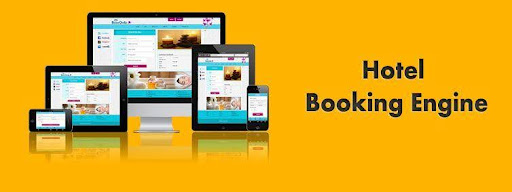
A hotel website holds more power than most owners realise. It influences rate control, guest trust, and booking flow. When the site connects with a strong hotel booking engine, the shift is clear. Rooms update fast. Guests book without trouble. Teams get better control over pricing. This setup gives hotel businesses a stable base to drive more direct bookings with less effort.
Need for a Faster and Smarter Booking Process
Guests expect a clean booking path. They want clear room types, live rates, and simple steps. If a hotel site loads slow or shows outdated prices, guests drop off. A hotel booking engine fixes this. It links the website with real-time inventory. It updates prices the moment the hotel changes them. It makes sure guests see the latest rate, room count, and deal.
When hotels use slow manual updates, errors slip in. Rooms get overbooked. Prices fail to match partner channels. Teams spend hours fixing issues. A modern system removes most of these tasks. It keeps the rate feed accurate. It helps hotels protect revenue. It also avoids guest complaints that come from wrong rates and room counts.
A Direct Booking Path That Builds Trust
Every guest wants to feel sure before paying. A website with a smooth booking path projects trust. The pages load fast. The steps stay simple. The rate looks fair. The payment gateway feels safe. A strong hotel booking engine ensures these parts stay stable.
Direct booking also gives hotels a chance to show more value. Hotels can offer add-ons, flexible cancellation, or small benefits that guests will not find on third-party sites. These extras push guests toward booking direct. This gives hotels more control over the experience and increases repeat stays.
Real-Time Rates That Keep Hotels Competitive
One of the biggest threats to direct bookings is rate mismatch. If online channels show a lower rate, the guest will not book on the hotel’s site. A system that updates room rates in real time avoids this issue. It sends every change to all channels at once. It reduces the gap between the hotel site and other platforms.
This control keeps the hotel competitive. It helps teams manage peak days better. It supports dynamic pricing. It also ensures guests see a clear rate pattern that makes sense. When rates stay consistent, guests feel confident booking direct.
Reducing Workload with a Single Control Point
Hotel teams spend a lot of time updating inventory, managing prices, fixing errors, and answering questions about availability. When a hotel uses the best booking engine for hotels, these tasks shrink. The system automates updates. It feeds every change across all channels from one place.
A single dashboard gives staff easy control. They can adjust room counts, change rates, open or close rooms, and track performance. The process becomes cleaner. Staff get more time to focus on guests. This improves service and reduces stress across the team.
Boosting Marketing Efforts
A good booking tool also supports marketing work. When hotels run campaigns, they need a smooth link between ads and the booking page. They need landing pages that load fast. They need a booking form that does not confuse the guest. A modern hotel booking engine helps create a better flow.
Hotels can track which offers work. They can see which room types get more clicks. They can adjust promotions based on past results. This supports smarter marketing without guesswork. It helps reduce wasted spend and attracts more qualified guests.
Improving the Guest Journey
Guests who book direct often feel more connected to the hotel. They trust the information on the hotel website. They see photos, details, and services presented clearly. They can make special requests with ease. A direct booking system supports this flow.
Better guest experience means better reviews. Better reviews attract more direct bookings. This cycle helps hotels grow without depending only on online travel agencies.
Data That Helps Hotels Make Better Decisions
Hotels that rely only on third-party platforms often lack data. They do not see user patterns. They do not know why guests drop off. They cannot track booking behaviour. Using the best booking engine for hotels gives hotels more insight.
Teams can see which pages perform better. They can track how long guests stay on each section. They can see which rate plans get more attention. This helps hotels build better packages. It also helps teams refine room pricing and tailor guest offers.
Data also supports forecasting. Hotels can plan busy days better. They can analyse trends and adjust strategies. Over time, this helps increase direct bookings and improve profit margins.
Lower Cost Per Booking
Each direct booking saves commission cost. This improves the hotel’s revenue. Even a small jump in direct bookings makes a strong impact over time. A good hotel booking engine helps hotels secure this gain. It guides guests to book direct instead of using partner channels. It gives hotels higher control over pricing and promotions.
When guests book through the hotel site, hotels also avoid hidden fees. They get more room to offer value-adds. They can upsell or cross-sell without restrictions. This improves overall revenue per booking.
Conclusion
A strong booking path helps hotels grow. When the system updates inventory fast, manages rates cleanly, and offers a smooth guest flow, direct bookings increase. A hotel booking engine supports all these parts. It reduces workload, protects rate accuracy, and builds trust with guests. A hotel that uses the best booking engine for hotels gains more control over its revenue, guest experience, and long-term growth.
This is why many hotels choose RateTiger as their booking solution. They rely on its ability to manage room rates and availability in real time from one platform. They also benefit from its wide reach across 400+ distribution channels, 150+ technology partners, and strong performance backed by over 612 million ARI updates each year. RateTiger helps hotels gain higher online visibility and unlock steady growth in direct bookings.