
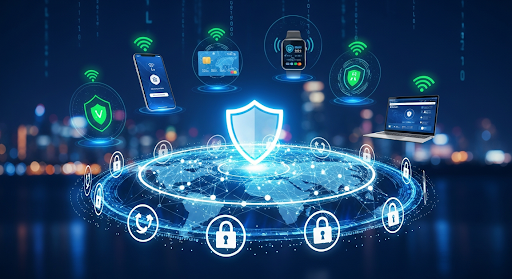
The shift toward digital financial interactions has reshaped the Philippines’ public and private service landscape, paving a path for faster and more secure transactions across sectors. As government agencies, institutions, and citizens become more interlinked through technology, convenient and trustworthy payment channels have become essential to maintaining service continuity and strengthening nationwide financial inclusion. This evolution is particularly visible in the rise of online bill payment platforms, which have simplified everyday processes while supporting the country’s broader digital transformation goals.
A connected Philippines requires more than seamless access; it demands systems that are secure, intuitive, and capable of scaling alongside citizen needs. Digital payments have emerged as a cornerstone of this mission by reducing operational delays, minimizing in-person queues, and providing safer ways to settle obligations. This accelerating shift sets the stage for a future where governmental, commercial, and community transactions are anchored by digital efficiency and strengthened by robust cybersecurity.
Building a Connected Nation Through Modern Payment Infrastructure
A future-ready Philippines relies on an integrated digital payment ecosystem capable of supporting millions of daily transactions without friction. Government agencies and service providers increasingly recognize that modern transaction systems fuel trust, transparency, and convenience for citizens, businesses, and public institutions alike.
- Strengthened accessibility for all communities
Digital payment channels provide reliable access even to individuals in remote locations, reducing the need for physical travel and eliminating traditional barriers to completing essential transactions. - Streamlined interactions between citizens and institutions
Faster processing, automated verification, and clear digital records enable quicker responses from agencies and reduce delays caused by manual workflows. - Improved financial inclusion across sectors
Digital transactions open doors for underserved communities to participate in secure, trackable financial activities, helping bridge socio-economic gaps and support national development.
These advancements create a cohesive environment where citizens engage with government and service providers with greater confidence and ease.
Transforming Public Service Delivery Through Secure Digital Payments
Public-sector transactions, from tax settlements to permits and licensing, are transforming as digital payments become more trusted and widespread. These advancements improve administrative workflows, reduce operational costs, and ensure that citizen experiences remain smooth and reliable.
- Reduced administrative workload for government agencies
Automation removes the need for extensive manual processing, freeing teams to focus on service improvement and strategic initiatives rather than handling large volumes of paperwork. - Enhanced transparency in government transactions
Digital trails provide clarity on payment history and processing, helping build trust between citizens and institutions while minimizing inconsistencies or errors. - Boosted service efficiency across departments
Faster verification and real-time confirmation ensure that applications, registrations, and requests can be processed more quickly, allowing agencies to deliver better experiences.
This shift toward digital payment-driven service delivery ensures that the government moves in sync with the rising expectations of a digitally empowered citizen base.
Strengthening Citizen Confidence Through Secure Transaction Frameworks
Security remains a foundational element for any digital payment transformation. Citizens must feel assured that their personal and financial data is well-protected, especially when interacting with government agencies or public platforms.
- Adoption of advanced authentication and verification methods
Multi-layered security checks, including OTPs, biometrics, and encryption, strengthen the integrity of each transaction and significantly reduce fraud risks. - Real-time monitoring to prevent anomalies
Continuous system monitoring enables quick detection of suspicious activities, ensuring that any potential threat is addressed before it escalates. - Promotion of digital literacy and awareness
Empowering citizens with knowledge about safe transaction practices reduces vulnerability to cyber threats and enhances confidence in digital interactions.
With strong safeguards in place, citizens are more likely to embrace digital payment options as dependable tools for everyday use.
Driving National Growth Through Trusted Digital Payment Ecosystems
A well-designed digital payment framework does more than simplify transactions; it accelerates national development. As payments become more efficient, public revenue workflows improve, businesses operate with greater agility, and citizens enjoy faster access to essential services.
- Acceleration of economic activity across regions
Digital transactions reduce delays that hinder business operations, helping micro, small, and large enterprises move with steady financial momentum. - Growth of interoperable payment networks
As systems become more interconnected, citizens gain the flexibility to transact using various platforms, increasing convenience and adoption rates. - Support for long-term digital transformation goals
A strong payment ecosystem lays the foundation for broader innovations, including smart governance, digital identity systems, and improved public service delivery.
These developments push the Philippines closer to becoming a digitally confident and resilient nation.
Fostering Seamless Citizen Experiences Through Unified Payment Portals
Centralizing digital payment capabilities helps improve accessibility while reducing fragmentation across public service channels. Unified portals ensure that citizens can complete different transactions through consolidated, user-friendly interfaces.
- A single access point for diverse transactions
Citizens can settle fees, taxes, and government dues through one secure hub, simplifying interactions and minimizing confusion. - Consistent user experience across services
Standardized layouts, clear instructions, and seamless navigation ensure that users can complete tasks easily, regardless of their digital literacy level. - Faster service fulfilment and improved satisfaction
Quick confirmations and centralized records help citizens track their payments effortlessly, reinforcing convenience and security.
Through these integrated experiences, the government strengthens its role as a proactive enabler of digital progress.
Conclusion
The Philippines is steadily shaping a future where secure and accessible digital payments support smoother interactions between government, businesses, and citizens. As the nation continues expanding its payment landscape, the evolution of e-payment systems becomes instrumental to creating a trusted, unified, and future-ready digital environment.
In this transformative journey, GOVX.0 serves as a dedicated platform spotlighting advancements, challenges, and opportunities in government technology. The company brings together leaders, innovators, and experts to discuss critical digital initiatives, from payment modernisation to public-sector digital transformation, strengthening the country’s pathway toward a secure and connected future.