
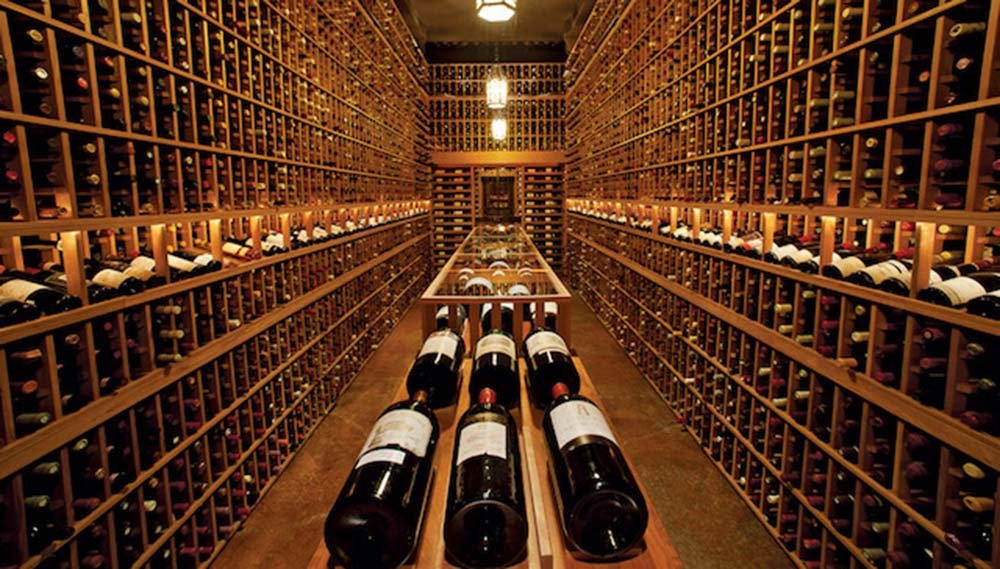
When it comes to ageing wine, size truly does matter. Magnum bottles—holding 1.5 litres or twice the volume of a standard bottle—are not just about showmanship. For serious wine enthusiasts and collectors, magnums offer distinct advantages in terms of aging ability and long-term value.
If you are thinking of cellaring wine in the UK for future enjoyment or investment, magnums deserve a place in your collection.
What Makes Magnums Ideal for Ageing?
One of the primary reasons magnums age better than standard 750ml bottles is the slower rate of oxygen exposure. Because the neck and cork size remain the same, the amount of air inside the bottle is proportionally less than the wine’s volume. This reduced oxidation slows the ageing process, allowing flavours to develop more gradually and harmoniously.
In practical terms, this means that magnums maintain their freshness, complexity, and balance for a longer period. Whether it is a bold red, a structured white, or a refined sparkling wine, ageing in magnum format can enhance character while retaining elegance.
The Long-Term Value of Magnum Bottles
In addition to wine ageing benefits, magnums also hold excellent long-term value. Their rarity on the market compared to standard bottles can increase their collectability and resale value over time. Furthermore, wines in magnum format are often crafted with extra care and attention, using premium grapes or select parcels that are well-suited to ageing.
From a cost perspective, while a magnum may seem more expensive upfront, the price per litre often works out better, especially when considering the enhanced ageing potential and the possibility of appreciating.
What Styles Age Best in Magnum Format?
While nearly any wine can benefit from the magnum format, some styles truly shine:
1. Full-bodied reds
Wines like Cabernet Sauvignon, Syrah, Barolo, and Bordeaux blends age beautifully in magnums, gaining complexity and softening tannins over time.
2. Structured whites
Wines such as white Burgundy or oak-aged Rioja also develop richer texture and nuanced aromas with age.
3. Vintage sparkling wines and Champagne
These often gain depth and finesse in magnum format, making them ideal for special occasions in the future.
4. Rosés with complexity
Especially those from Provence or other traditional regions, can hold well in magnums for a few years, allowing fruit and minerality to evolve.
Tips for Cellaring Magnums at Home
If you are planning to build a collection of magnums in the UK, proper storage is essential. Store the bottles in a cool, dark place with a stable temperature, ideally between 10 °C and 13°C. Humidity should be moderate (around 70%), and the bottles should be stored horizontally to keep the cork moist.
It is also worth noting that magnums require more space, so investing in a wine fridge or a custom rack may be worthwhile if you are cellaring multiple bottles.
Conclusion
Magnums are more than just eye-catching centrepieces at a dinner party; they are an intelligent choice for wine lovers looking to age their bottles with grace and intention. With superior ageing potential, enhanced flavour development, and strong long-term value, magnums are well worth the investment. If you are in the UK and planning your wine future, do not overlook the big bottle advantage.