
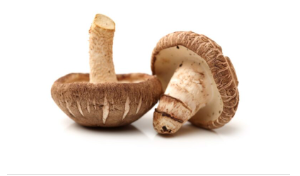
Mushrooms have been valued for centuries not only for their unique taste and culinary versatility but also for their exceptional health benefits. Across the world, different cultures have incorporated mushrooms into their diets, recognizing them as a source of vital nutrients and therapeutic compounds. Today, the interest in nutritional value from mushrooms has grown exponentially, driven by research on their positive impact on immunity, metabolism, and overall wellness. With increasing awareness of functional foods, mushrooms have emerged as an essential dietary component for those seeking natural ways to enhance health.
What Makes Mushrooms Nutritionally Unique?
Unlike many other vegetables, mushrooms are a powerhouse of essential nutrients while being low in calories and fat. They are an excellent source of vitamins, minerals, and antioxidants that contribute to a balanced diet. For example, mushrooms are rich in B vitamins such as riboflavin, niacin, and pantothenic acid, which help convert food into energy and support nervous system health. Minerals like selenium, copper, and potassium are abundant in mushrooms, promoting cardiovascular health and strengthening immunity.
One of the standout features of nutrition from mushrooms is their high protein content relative to their low calorie count. This makes them an ideal dietary component for those looking to maintain lean muscle mass or manage weight. Additionally, they contain dietary fibers, including beta-glucans, which are known to improve gut health and regulate blood sugar levels. The presence of antioxidants in mushrooms contributes to cellular protection, making them a superfood for longevity and disease prevention.
Health Benefits of Consuming Mushrooms
1. Immune System Support
Regular consumption of mushrooms can enhance immune function due to the presence of bioactive compounds like polysaccharides. These compounds stimulate the production of immune cells, helping the body combat infections more effectively. Studies have shown that specific varieties, such as shiitake and maitake, are particularly potent in supporting immune health. By including mushrooms in your diet, you can strengthen your body’s natural defense mechanisms and improve overall resilience to illness.
2. Antioxidant Properties
Nutrition from mushrooms is enriched with antioxidants like ergothioneine and glutathione, which help neutralize free radicals in the body. Free radicals are unstable molecules that can damage cells and accelerate aging or contribute to chronic diseases. By incorporating mushrooms into your daily meals, you can reduce oxidative stress, protect cells, and promote healthier skin, hair, and organ function.
3. Heart Health
Certain types of mushrooms contain compounds that support cardiovascular health. The potassium content helps regulate blood pressure, while fibers like beta-glucans can reduce cholesterol levels. Consuming mushrooms regularly may lower the risk of heart disease and improve overall heart function. Additionally, the low sodium and fat content in mushrooms makes them ideal for heart-conscious diets.
4. Weight Management
For individuals aiming to manage their weight, mushrooms are a valuable dietary addition. Low in calories but rich in protein and fiber, mushrooms promote satiety, helping control appetite and reduce overall calorie intake. Their versatility in cooking allows them to replace higher-calorie ingredients in meals without compromising flavor. From stir-fries to soups, mushrooms provide bulk and taste, making meals satisfying while keeping calories in check.
5. Brain Health and Cognitive Function
Research indicates that mushroom nutrition may support brain health and slow cognitive decline. Certain compounds in mushrooms, such as ergothioneine, have neuroprotective properties. Regular consumption has been linked to better memory, focus, and potentially a lower risk of neurodegenerative conditions like Alzheimer’s disease. Including mushrooms as a natural nootropic is an emerging trend in nutritional neuroscience.
6. Anti-Inflammatory Effects
Chronic inflammation is linked to numerous health problems, including arthritis, heart disease, and metabolic disorders. Mushrooms contain bioactive compounds that exhibit anti-inflammatory properties, helping reduce inflammation and supporting long-term health. Adding mushrooms to your meals can complement a diet rich in anti-inflammatory foods, offering natural protection against lifestyle-related diseases.
7. Bone Health
Some varieties of mushrooms, particularly those exposed to sunlight during cultivation, are excellent sources of vitamin D. Vitamin D is essential for bone health, calcium absorption, and muscle function. Including such mushrooms in your diet can help prevent bone-related issues like osteoporosis, especially in populations with limited sun exposure.
Popular Mushroom Varieties and Their Nutritional Highlights
Different mushrooms offer unique benefits based on their nutritional profile:
- Button Mushrooms: High in antioxidants and B vitamins, ideal for everyday cooking.
- Shiitake Mushrooms: Known for immune-boosting polysaccharides and antiviral properties.
- Maitake Mushrooms: Supports immune health and has potential anti-cancer effects.
- Oyster Mushrooms: Rich in protein, fiber, and minerals, promoting heart and gut health.
- Reishi Mushrooms: Often used for medicinal purposes, supporting immunity and stress reduction.
Incorporating a variety of mushrooms into your meals ensures you reap the benefits of nutrition mushrooms from multiple sources. Each type offers unique bioactive compounds, making a diverse mushroom diet both flavorful and healthful.
How to Include Mushrooms in Your Diet
Including mushrooms in your daily diet is simple and enjoyable. Here are some practical tips:
- Cooking: Sauté, grill, roast, or stir-fry mushrooms to bring out their flavors while retaining nutrients.
- Soups and Stews: Add mushrooms to soups and stews to enhance taste and nutritional value.
- Salads: Raw or lightly cooked mushrooms can be a crunchy addition to salads.
- Supplements: For those who cannot consume mushrooms regularly, mushroom-based powders or extracts provide concentrated nutrients.
When selecting mushrooms, freshness is key. Always choose mushrooms with a firm texture, free from sliminess, and store them in a cool, dry place or refrigerator. Proper cooking and handling preserve the bioactive compounds and maximize the benefits of mushroom nutrition.
Conclusion
The benefits of mushrooms go far beyond their culinary appeal. With a rich profile of vitamins, minerals, antioxidants, and unique bioactive compounds, nutrition from mushrooms supports immunity, heart health, brain function, and overall wellness. Incorporating a variety of mushrooms into your diet can enhance your health naturally while adding delicious flavors to meals. Whether you are a home cook, health enthusiast, or aspiring mushroom farmer, understanding the nutritional value of mushrooms is the first step toward a healthier lifestyle.
If you want to start your mushroom journey, Mushroom Nursery provides comprehensive support for all mushroom-related needs, including fresh and processed mushrooms, cultivation training, and business consultation. Their services cover expert guidance on mushroom farming, supply of cultivation tools and materials, online and offline training programs, and business partnerships for small-scale and commercial growers. By partnering with Mushroom Nursery, you gain access to high-quality mushrooms, professional cultivation techniques, and the expertise to grow a successful mushroom business.